

Can I Sell My House Without a Realtor in Quebec? Complete 2026 Guide

Can I Sell My House Without a Realtor in Quebec? Complete 2026 Guide – Vendu 24h Complete 2026 Guide Can I Sell My House Without a Realtor in Quebec? Selling without a realtor is legal and increasingly common. But the process carries real risks: mispricing, latent defects, a flawed promise to purchase, and fraud. This […]
How to Sell My House Fast in Montreal?

Are you looking to sell your house quickly in Montreal? Whether you are dealing with a relocation, divorce, inheritance, or simply tired of waiting, there are practical strategies to speed up the sale of your property without sacrificing peace of mind. In this complete guide, we compare the 3 main options to sell your house […]
How to Sell a House Quickly Without Renovations in Quebec

Do you want to sell your home, but the idea of investing thousands of dollars in costly renovations before listing is discouraging? You are not alone. In Quebec, many homeowners mistakenly believe renovations are required to successfully sell a property. The reality is quite different: several options allow you to sell your home quickly, as-is, […]
How to Sell Property in Quebec as a Non-Resident

Selling property in Quebec as a non-resident of Canada involves more than just listing your home. While Canadian tax laws play a significant role, understanding the full landscape, including legal requirements, real estate market practices, and tax compliance rules, is crucial for a smooth transaction and to avoid surprises.
In this guide, we explain how non-residents can sell property in Quebec, what tax implications they face, and how to navigate Canada’s real estate market while complying with all obligations.
Do You Need an Electrical Certificate to Sell Your House?
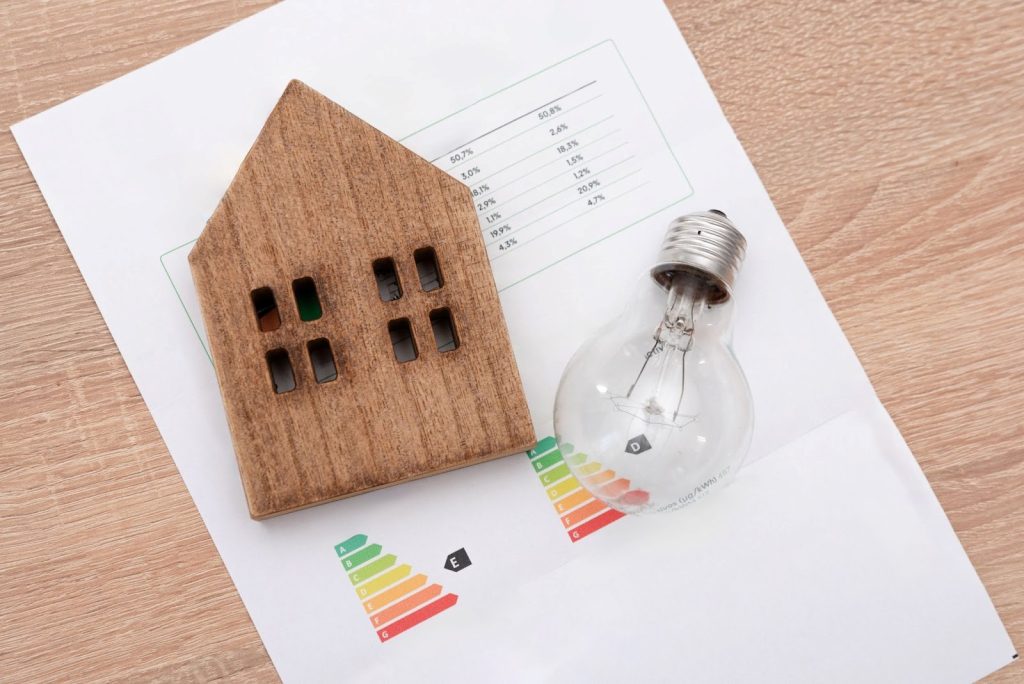
When preparing to sell a home in Quebec, many homeowners wonder about the legal requirements surrounding electrical safety. One of the most common questions is: Do you need an Electrical Safety Certificate to sell your house in Quebec? The short answer is no, you are not legally required to provide an electrical certificate when selling a property in Quebec. However, electrical safety remains a crucial concern for prospective buyers, real estate agents, and mortgage lenders alike.
While an electrical certificate isn’t mandatory, there are important buyer expectations, recommendations, and safety considerations that sellers should understand. This article explains why electrical inspections, repairs, and the involvement of qualified electricians remain crucial in the conveyancing process, even when not legally required, by helping ensure safety, compliance, and buyer confidence.
5 Methods to Discover How Much a House Sold for in Quebec

Whether you’re a homeowner looking to sell or an investor, understanding how to find out how much a house sold for in Quebec is key to making informed decisions in today’s fast-moving real estate market.
In the first quarter of 2025 alone, over 23,900 residential properties were sold across the province—a 13% increase year-over-year, driven by rising demand and limited inventory. Yet, while sale prices are part of the public record, Quebec’s system makes them less accessible than in other provinces. This guide shares reliable methods to uncover sale prices, compare them, and receive a fair offer for your property.
How to Sell Your House Without a Realtor: A Step-by-Step Guide

Selling your home without a real estate agent is a path more homeowners are exploring to avoid high agent commission fees and take control of the sales process. In fact, it is estimated that 20–30% of homeowners in Quebec choose to sell their homes “For Sale By Owner” (FSBO), opting to self-list to save on real estate commissions.
In this guide, we walk you through the legality of selling a home without a realtor in Quebec, how to manage the process from pricing to closing, the key risks to watch out for, and how to sell quickly without the stress.
How Much Do Sellers Typically Pay in Real Estate Commission?

When it comes to selling a home, one of the biggest questions for a property seller is: How much will I pay in real estate commissions? Understanding the details behind real estate agent fees, commission structures, and standard commission rates is crucial for navigating the real estate transaction smoothly and avoiding costly mistakes.
This article breaks down everything a prospective seller should know about real estate commissions — from how the commission rate works, to potential cost savings, and the roles of seller agents and buyer agents in the process. We also share advice on how best to avoid real estate commission fees to ensure you make the most profit from your property.
Do Open Houses Sell Homes? Pros & Cons

With home sales in Canada nearing pre-COVID levels, the real estate market has become increasingly competitive. In this crowded landscape, sellers preparing their homes for sale often find themselves asking a familiar question: Should I host an open house?
Open houses have long been a staple in the real estate world, offering prospective buyers the chance to explore a property without the need for an appointment. However, in an era dominated by digital listings, virtual tours, and targeted online marketing, many are starting to wonder: Are open houses still effective?
This article examines the evolving role of open houses in today’s real estate market, weighing their advantages and limitations. Are they a proven strategy for attracting serious buyers and achieving a quick sale, or are they more likely to draw in curious neighbours and unqualified browsers? We also explore some of the most effective alternative marketing strategies that sellers can use to stand out and sell their property with confidence.
What Are Closing Costs? Fees, Taxes, and What to Expect

If you’re getting ready to sell your home, you’ve probably heard the term “closing costs”—but what does it really mean? Closing costs aren’t just a line item; they’re a crucial part of finalizing any real estate transaction. Understanding what these expenses include and who typically pays for them can help you budget more accurately and avoid unexpected surprises when it’s time to close the deal.